Is It Safe to Store Food in Aluminium Foil? Experts Reveal the Hidden Risks
For generations, aluminium foil has been an essential kitchen staple, commonly used to encase sandwiches, cover leftover curry, and securely seal half a dish.
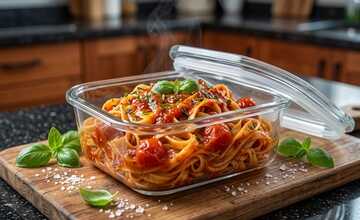
The primary factor influencing aluminium leaching is the acidity and salt content of the food. A peer-reviewed study published in the International Journal of Environmental Research and Public Health found that cooking foods such as beef, chicken, and fish in aluminium foil can result in significant leaching. The research highlights that consuming these foods alongside other aluminium-containing items could lead to a weekly intake approaching the tolerable limit set by health regulators. Acidic foods , such as tomato-based dishes and those with vinegar, are particularly prone to drawing aluminium from the foil, unlike neutral foods like rice or bread.
Temperature also plays a crucial role in the leaching process. The combination of heat and prolonged contact with food exacerbates the issue. The study revealed that seasoning, especially salt, increases the amount of aluminium that transfers into food during cooking. Conversely, sugar appears to create a protective barrier that reduces leaching. Researchers noted visible damage to the foil after baking, with tiny holes forming, indicating that the foil does not merely act as an inert barrier but can break down during cooking.
While much of the research has focused on cooking, the same principles apply to storing leftovers. Foods like pasta in tomato sauce, marinated meats, and citrus-heavy salads are particularly likely to encourage aluminium migration if wrapped in foil for extended periods. In contrast, low-moisture foods such as plain rice or dry roasted vegetables pose a significantly lower risk due to their lack of acidity and salt.
Experts generally agree that occasional use of aluminium foil is unlikely to pose significant health risks, as the body can typically process small amounts of aluminium. However, concerns arise with cumulative exposure over time, especially for those who frequently store acidic or salty foods in foil. Given the potential health implications, food safety authorities recommend using airtight containers or sealed storage bags for leftovers, as these options better prevent spoilage and eliminate the risk of aluminium leaching. Glass containers are particularly advantageous, as they can be used for reheating without transferring food, making them a safer alternative for food storage.

Disclaimer:
“The recipes, food, its nutritional value or any other information are developed/shared by expert professionals as per their skill levels. The website shall not be responsible for any consequences arising as a result of using or following any information given in this video/article. Viewers discretion advised.”

