Assam Creates History with India’s First Commercially Produced Matcha Tea
A historic estate in Assam has achieved a significant milestone by producing its inaugural commercial batch of genuine homegrown matcha, thanks to a pioneering Indo-Japanese collaboration that promises to revolutionize the Indian specialty tea industry.
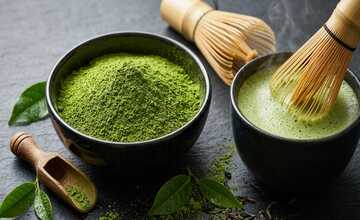
For generations, India's tea industry has been synonymous with robust black teas, particularly those cultivated in the fertile floodplains of the Brahmaputra River. However, a significant transformation is underway in the northeastern region of the country. The Chota Tingrai Tea Estate, located in Assam's Tinsukia district, has made history by producing the first-ever commercially available matcha tea in India. This achievement merges the meticulous traditions of Japanese tea cultivation with the unique agricultural conditions of Assam, marking a pivotal shift in the region's tea production landscape.
The launch of this innovative product was celebrated during a notable event at the Guwahati Tea Auction Centre, where the first batch of Indian-manufactured matcha tea was auctioned on July 3, 2026. Lot number 7001 garnered significant attention, ultimately selling for 3,000 rupees. The auction, facilitated by J. Thomas and Co. Pvt. Limited, concluded with the proud representatives of Sheosons Chai Co. acquiring the premium lot. This successful sale highlights the growing domestic interest in specialty teas and sets a promising precedent for future transactions in this emerging market.
The success of Chota Tingrai Tea Estate is the result of a decade-long collaboration with Japanese tea experts, agronomists, and equipment suppliers. This partnership aimed to replicate the high-quality standards of Japanese matcha while adapting to the local terroir. To achieve this, the estate invested in a state-of-the-art manufacturing facility that employs advanced automation to ensure precise control over the production process, effectively blending traditional agricultural practices with modern technology.
Producing authentic matcha involves a complex process that begins weeks before harvest, with tea bushes shaded to enhance chlorophyll production and preserve the leaves' unique flavor profile. After harvesting, the leaves undergo steaming, de-stemming, and milling to create a fine powder. This meticulous process results in a concentrated source of antioxidants and nutrients, distinguishing matcha from conventional green tea.
The introduction of matcha comes at a crucial time for Assam's tea economy, which has faced challenges such as fluctuating prices and changing consumer preferences. By diversifying into high-value specialty teas, Chota Tingrai Tea Estate is paving the way for increased profitability and new export opportunities. As global demand for matcha surges, the estate is well-positioned to meet this need, offering a premium alternative that reflects both the rich heritage of the Brahmaputra Valley and the precision of Japanese craftsmanship.

Disclaimer:
“The recipes, food, its nutritional value or any other information are developed/shared by expert professionals as per their skill levels. The website shall not be responsible for any consequences arising as a result of using or following any information given in this video/article. Viewers discretion advised.”

