World Chocolate Day 2026: A Comparison of Cooking and Drinking Chocolate
While cooking chocolate and drinking chocolate may appear alike, their intended uses differ significantly. This guide details their ingredients, cocoa butter levels, sweetness, texture, and optimal applications for enhanced baking and indulgent chocolate beverages.
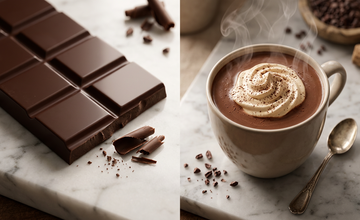
As World Chocolate Day approaches on July 7, it presents an opportune moment to clarify a common confusion in the culinary world: the distinction between cooking chocolate and drinking chocolate . While both types originate from cocoa beans, they undergo different processing methods and possess varying proportions of cocoa butter and sugar. This knowledge is crucial for anyone looking to achieve the perfect dessert or beverage, as using the wrong type can lead to disappointing results, such as overly sweet brownies or bitter hot chocolate.
Cooking chocolate is specifically formulated for baking and confectionery. It typically contains cocoa solids, cocoa butter, and sugar in precise ratios that allow it to melt evenly and set properly once cooled. Available in dark, milk, or white varieties, cooking chocolate often has a higher cocoa solids content, which enhances the richness and depth of flavor in desserts. Its lower sugar content enables bakers to control the overall sweetness of their recipes, making it an essential ingredient for brownies, cakes, and ganache.
In contrast, drinking chocolate is designed solely for creating a luxurious chocolate beverage. Unlike hot cocoa powder, which primarily consists of cocoa powder and sugar, drinking chocolate often includes finely grated chocolate or chocolate bits that melt seamlessly into hot milk. Many premium drinking chocolates are enriched with sugar, cocoa powder, vanilla, and sometimes milk solids, resulting in a creamy drink that emphasizes smoothness and instant dissolvability rather than baking performance.
The primary difference between the two lies in their fat content. Cooking chocolate has a higher cocoa butter ratio, which contributes to its glossy appearance and smooth texture, allowing it to harden after melting. This characteristic is vital for various confections, including cakes and truffles. Conversely, drinking chocolate typically contains less cocoa butter and may include additional ingredients like cocoa powder and flavorings, which enhance its drinkability but limit its effectiveness in baking.
While both cooking and drinking chocolates contain cocoa, they are not interchangeable. Substituting drinking chocolate for cooking chocolate in baked goods can result in overly sweet and uneven textures, while using cooking chocolate for beverages may yield a bitter drink unless additional sugar and milk are added. Ultimately, the choice between the two depends on the intended use: cooking chocolate is ideal for baking, while drinking chocolate is perfect for enjoying a rich, comforting beverage.

Disclaimer:
“The recipes, food, its nutritional value or any other information are developed/shared by expert professionals as per their skill levels. The website shall not be responsible for any consequences arising as a result of using or following any information given in this video/article. Viewers discretion advised.”

