Chef Vikas Khanna Reveals the Secret to Soft and Fluffy Rice Every Time
Rice is a beloved staple in India, cherished in various forms such as kheer, biryani, pulao, and fried rice. However, many struggle to achieve the desired soft and fluffy texture. Celebrity Chef Vikas Khanna attributes this challenge to a lack of understanding and patience in cooking rice. In a recent interview with Curly Tales, he revealed that the secret to perfect rice lies in proper soaking. He emphasized, "Soaking is essential for hydrating the grains. Soak the rice thoroughly and employ the excessive water technique; you will be grateful for this advice."
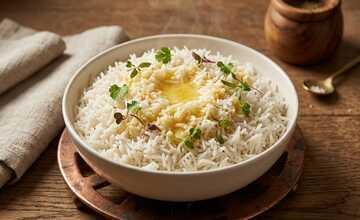
Rice is a beloved staple in Indian cuisine, cherished in various forms such as kheer, biryani, pulao, and fried rice. However, many home cooks struggle to achieve the perfect soft and fluffy grains. Celebrity Chef Vikas Khanna attributes this common cooking mishap to a lack of understanding about rice preparation and the essential ingredient of patience. In a recent interview with Curly Tales, he shared valuable insights on how to master the art of cooking rice at home.
According to Chef Khanna, the key to achieving fluffy rice lies in the soaking process. He emphasizes that soaking rice is crucial for hydrating the grains, stating, "Take the rice and soak it well and use the excessive water technique, you will thank me for this." He recommends a minimum soaking time of 30 minutes, arguing that many people overlook this step, opting instead to wash the rice, add water, and cook it immediately. He draws a parallel between rice and chickpeas, noting that both require soaking to develop the right texture and flavor.
After soaking the rice, Chef Khanna advises adding four times the amount of water to the rice and bringing it to a boil. He recalls an instance where he witnessed someone using a strainer to cook soaked rice in boiling water, resulting in perfectly fluffy grains in just a few minutes. He highlights the importance of using a shallow cooking vessel, explaining that it allows for even cooking of all rice grains. In contrast, deep vessels can lead to uneven cooking, where the bottom layer becomes overcooked while the top remains undercooked.
Once the rice is cooked to perfection, Chef Khanna suggests drizzling it with ghee and a pinch of salt to enhance its flavor. He assures that this method will yield the fluffiest and softest rice, leaving cooks grateful for the results. His approach not only focuses on taste but also on the science behind cooking rice, which has implications for health and nutrition.
A recent study on rice cooking methods supports Chef Khanna's emphasis on using excess water. It found that cooking rice with higher water-to-rice ratios significantly reduces arsenic content, with reductions of 4.5%, 30%, and 44% observed at ratios of 1:3, 1:6, and 1:10, respectively. Additionally, the study highlighted the importance of cooking time and rice type in managing blood glucose levels, particularly for individuals with diabetes, suggesting that shorter boiling durations may help maintain a lower glycemic index.

Disclaimer:
“The recipes, food, its nutritional value or any other information are developed/shared by expert professionals as per their skill levels. The website shall not be responsible for any consequences arising as a result of using or following any information given in this video/article. Viewers discretion advised.”

