How to Buy Fresh Hilsa and Prawns During Monsoon: Easy Tips to Check Quality
Selecting fresh seafood significantly enhances monsoon dining experiences. Learn effective strategies for choosing hilsa and chingri by assessing their visual characteristics, aroma, and proper storage methods prior to purchase.
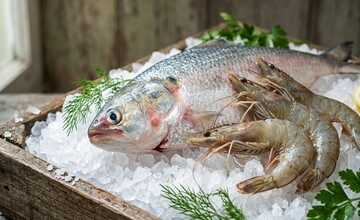
The onset of the monsoon season heralds the arrival of a much-anticipated seafood bounty in eastern India, particularly the fresh hilsa, or ilish, and chingri, or prawns. As these delicacies begin to fill local fish markets, seafood enthusiasts are drawn to prepare a variety of dishes, from mustard hilsa to fried prawns and prawn malai curry. However, while the season promises an abundance of fresh seafood, it also necessitates heightened vigilance regarding food safety. The combination of high humidity, frequent rain, and warm temperatures can accelerate spoilage, making it crucial for consumers to ensure proper storage and handling to avoid foodborne illnesses associated with bacterial growth.
To select the freshest hilsa and chingri, buyers should first examine the eyes and gills of the fish. Fresh hilsa will have clear, bright, and slightly bulging eyes, while the gills should be a vibrant red or pink, indicating freshness. In contrast, brownish or grey gills suggest that the fish may be old or improperly stored. A reliable tip is to ask the fishmonger to open the gills for inspection; a reputable seller will readily comply, allowing buyers to assess the quality before making a purchase.
Touching the fish is another effective method to gauge freshness. Fresh fish should feel firm and springy; pressing the flesh should result in it bouncing back immediately. If the flesh remains indented or feels mushy, it is likely not fresh. For chingri, the shell should fit snugly around the body, and any looseness may indicate prolonged storage. Buyers should also avoid fish with torn flesh or damaged skin, as these areas are prone to spoilage.
Contrary to common belief, fresh seafood should not emit a strong fishy odor. Hilsa should have a mild, clean scent reminiscent of its river habitat, while fresh chingri should smell slightly briny, akin to seawater. A strong, unpleasant odor often signals spoilage due to bacterial activity. During the monsoon, when spoilage rates increase, relying on smell can be one of the most effective quality checks.
Finally, the manner in which seafood is stored is critical. Fresh hilsa and prawns should be displayed over a thick layer of clean crushed ice to maintain their chill. Fish left uncovered or exposed to direct sunlight spoil more quickly, especially in humid conditions. Buyers are advised to frequent designated fish markets and trusted vendors who maintain proper cold-chain practices and can provide information about the source and freshness of the seafood. When purchasing packaged seafood from supermarkets, it is essential to check the packing date, storage temperature, and expiry label to ensure a safe and fresh purchase.

Disclaimer:
“The recipes, food, its nutritional value or any other information are developed/shared by expert professionals as per their skill levels. The website shall not be responsible for any consequences arising as a result of using or following any information given in this video/article. Viewers discretion advised.”

