By: Times Foodie
Updated Jul 3, 2026 | 16:41 IST
Food trends have a unique ability to reshape perceptions and redefine value in the culinary world. Ingredients that were once staples for farmers and families, often associated with hard times, have transformed into premium products in today’s health-conscious market. As nutrition research highlights the benefits of traditional foods, items that were once overlooked are now featured prominently in health cafés, organic stores, and gourmet restaurant menus, often at significantly higher prices. This article explores ten foods that have made a remarkable journey from humble origins to luxury health aisles.
Millets, including bajra, jowar, and ragi, were once dietary mainstays in rural India, valued for their resilience in drought conditions. However, as rice and wheat became symbols of prosperity, millet consumption declined. Recently, millets have regained popularity due to their high fiber, mineral content, and health benefits, including improved digestion and heart health. They are now commonly found in gourmet salads and premium packaged foods, reflecting a significant shift in consumer perception.
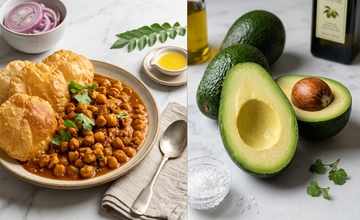
Avocados, once a common fruit in Mexico and Central America, have seen their status elevated dramatically due to global demand. Rich in monounsaturated fats, fiber, and potassium, avocados are now emblematic of modern healthy eating. They often command high prices in grocery stores, illustrating how changing food trends can redefine the value of once-ordinary ingredients.
Oats, historically regarded as animal feed in Europe, have transformed into a beloved breakfast staple. Once associated with lower-income households, oats are now celebrated for their health benefits, particularly their high soluble fiber content. Products like overnight oats and oat milk have propelled this grain into the wellness spotlight, making it a favorite among health-conscious consumers.
Quinoa, a staple for Andean farming communities, has also undergone a significant transformation. Once a practical food for local families, it is now marketed as a premium superfood globally, often replacing rice in health-focused meals. Similarly, sweet potatoes, once considered survival food, are now recognized for their nutritional benefits and are featured in various health-oriented dishes. This evolution reflects a broader trend where traditional foods are reimagined and celebrated in contemporary diets.