Japan's Rice Consumption Falls to Seven-Year Low, Government Promotes Rice Flour Alternatives
Central to Japanese culinary traditions and everyday meals, rice has long been the nation's fundamental food source, accompanying nearly every dish for countless generations.
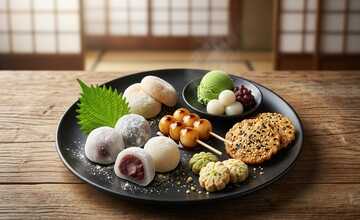
Rice has long been a cornerstone of Japanese cuisine, integral to the nation's daily meals and cultural identity. For centuries, it has served not only as a staple food but also as a symbol of prosperity, gratitude, and successful harvests. However, recent data from the Rice Stable Supply Support Organization indicates a significant decline in rice consumption , with the average monthly intake per person dropping 6.1 percent to 4,435 grams for the year ending March 2026. This figure marks a seven-year low and reflects a broader trend of consumers moving away from rice, particularly following recent supply shortages that have led to price increases.
The latest statistics reveal that this consumption level is the lowest since fiscal 2018, when the average was recorded at 4,426 grams. The decline from the 4,722 grams consumed in fiscal 2024 equates to a reduction of approximately 4.4 bowls of rice per person. While no official reasons have been provided for this downward trend, it is evident that efforts are underway to revitalize rice consumption in Japan.
In response to the declining figures, Japan's Ministry of Agriculture, Forestry and Fisheries is promoting the use of rice flour as an alternative way to incorporate rice into the diet. An event recently held by the ministry showcased a variety of products made from rice flour, developed by 22 manufacturers across the country. These offerings included an array of sweets such as cookies, baumkuchen, and brownies, all featuring different proportions of rice flour, which allows for a unique Japanese twist on traditional confections.
The growing interest in rice flour can be attributed to its gluten-free nature, appealing to consumers with wheat allergies. Farm Minister Norikazu Suzuki attended the event and announced an ambitious goal to double the demand for rice flour from the current figure of 65,000 tons to 130,000 tons by 2030. He expressed optimism that the delicious flavors of rice flour products would encourage more consumers to choose these alternatives.
Among the traditional Japanese dishes that utilize rice flour are mochi, dango, shiratama dango, senbei, and komeko cookies. Mochi, a well-known dessert, is made from glutinous rice flour and can be enjoyed plain or filled with sweet red bean paste. Dango are chewy dumplings served on skewers, often glazed with sweet soy or filled with red bean paste. Shiratama dango, made with a special glutinous rice flour, is typically served with sweet syrup or fruit. Senbei are crispy rice crackers flavored with various seasonings, while komeko cookies are light, crispy, and naturally gluten-free, often incorporating flavors like matcha or yuzu. These dishes highlight the versatility of rice flour and its potential to reinvigorate rice consumption in Japan.

Disclaimer:
“The recipes, food, its nutritional value or any other information are developed/shared by expert professionals as per their skill levels. The website shall not be responsible for any consequences arising as a result of using or following any information given in this video/article. Viewers discretion advised.”

