Monsoon Diet Tips: 5 Foods You Should Avoid During the Rainy Season
During the monsoon, your digestive system may become more reactive, rendering some typical foods difficult to digest. Explore five familiar foods that could disturb your gut this rainy season, along with scientific explanations for their potential effects.
The onset of the monsoon season significantly alters dietary preferences, as the cooler temperatures and cozy evenings heighten cravings for fried snacks, spicy street food, and sweet treats. While indulging in these comfort foods can be tempting, the rainy season also brings increased humidity and a heightened risk of food and water contamination. These factors can lead to a more sensitive digestive system, making it essential to adapt eating habits accordingly. Traditional Indian wisdom often advocates for lighter, freshly prepared meals during this time, emphasizing the importance of seasonal eating to support digestive health.
Street food, a popular choice during the monsoon, poses particular risks. The allure of dishes like golgappas, chaat, momos, and pakoras is undeniable, yet the rainy weather creates ideal conditions for bacteria and other microorganisms to thrive. Street vendors often face challenges such as exposure to rainwater, dust, and inconsistent temperatures, which can increase the likelihood of food contamination. Additionally, the water used in chutneys and beverages may harbor disease-causing microbes, leading to stomach infections. To enjoy these flavors safely, consider preparing your favorite snacks at home using fresh ingredients and clean water.
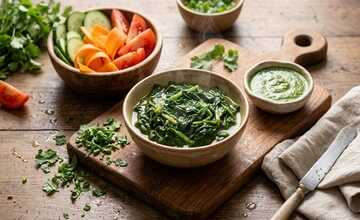
Raw salads, while generally considered healthy, require extra caution during the monsoon. Vegetables such as cucumbers, tomatoes, and carrots can harbor bacteria if not washed thoroughly. Cooking these vegetables can eliminate many harmful microorganisms, making them a safer option. If salads are a must, ensure that all ingredients are washed under running water, peeled when possible, and prepared fresh rather than stored for extended periods.
Green leafy vegetables like spinach, fenugreek, and coriander are rich in essential nutrients but can also trap mud, insects, and microbes during the rainy season. The persistent rainfall and high soil moisture levels increase their susceptibility to contamination. While it is advisable to limit the consumption of leafy greens, proper washing and cooking can mitigate health risks. Thoroughly rinsing these vegetables under clean water and cooking them before consumption can help retain their nutritional benefits while reducing the likelihood of foodborne illnesses.
Fresh seafood is another nutritious option that requires careful handling during the monsoon. Heavy rains can compromise water quality, and warm, humid conditions may lead to spoilage if seafood is not stored or transported correctly. To minimize the risk of digestive issues, purchase seafood from reputable sources, ensure it has a fresh smell, and always cook it thoroughly. Additionally, pre-cut fruits from roadside vendors may not be the safest choice, as cutting removes their protective outer layer, making them more susceptible to contamination. Opt for whole fruits, wash them thoroughly, and cut them at home to ensure freshness and safety.

Disclaimer:
“The recipes, food, its nutritional value or any other information are developed/shared by expert professionals as per their skill levels. The website shall not be responsible for any consequences arising as a result of using or following any information given in this video/article. Viewers discretion advised.”

