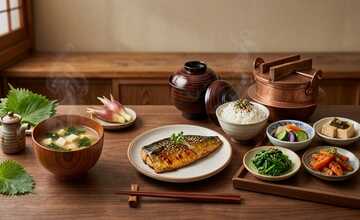
In an age dominated by social media and ever-changing trends, ancient food traditions serve as a reminder of sustainable living and cultural heritage. These traditions emphasize that meals are not merely about satisfying hunger; they reflect a deep connection between humans and nature. One such tradition is , a 500-year-old Japanese culinary practice that promotes balanced eating. This method, which translates to "one soup, three dishes," highlights the importance of moderation and seasonal ingredients over strict calorie counting.
Ichiju-Sansai consists of a thoughtfully structured meal that includes one soup, typically a miso soup enriched with vegetables, tofu, or seaweed, alongside one main dish rich in protein, such as grilled fish, chicken, or tofu. Accompanying this are two side dishes, often vegetable-based, which add color and texture to the meal. While steamed rice is a staple, it is not explicitly included in the "one soup, three dishes" translation. This balanced approach encourages a variety of flavors and textures, promoting a more satisfying dining experience.
Experts assert that the design of Ichiju-Sansai meals encourages slower eating, allowing individuals to savor each bite and enhancing feelings of fullness with smaller portions. This method naturally fosters a balanced diet, incorporating diverse food groups that provide essential carbohydrates, proteins, healthy fats, vitamins, and minerals. The emphasis on vegetables increases fiber intake, while varied cooking techniques—such as steaming, simmering, and grilling—reduce reliance on less healthy methods like deep-frying.
The origins of Ichiju-Sansai can be traced back over 500 years to Japan's Muromachi period, influenced by Zen Buddhist practices and the formal dining style known as honzen ryōri. This approach has evolved into a practical and nutritious way of eating that many Japanese households still embrace today, adapting dishes according to seasonal availability. Seasonal ingredients play a crucial role, with meals reflecting the bounty of each season, from spring bamboo shoots to winter root vegetables, enhancing both flavor and dietary diversity.
While Ichiju-Sansai is deeply rooted in Japanese culture, its principles can be adapted globally. Individuals can create similar meals by incorporating a bowl of soup, a protein source like grilled chicken or tofu, a selection of vegetables, and a serving of brown rice. This flexibility extends to vegetarians, who can easily substitute meat with plant-based proteins. Ultimately, Ichiju-Sansai teaches that true nourishment comes from variety, moderation, and mindfulness, offering a timeless lesson in an era often focused on quick fixes and restrictive diets.