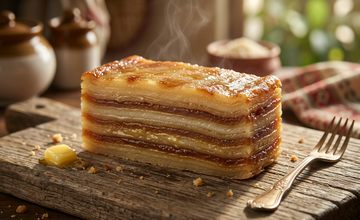
In Goa, the beloved dessert has become a symbol of culinary heritage, known for its ability to endure the rigors of travel. This traditional Goan layered cake, also referred to as bibik in Konkani, is often found on supermarket shelves, vacuum-sealed and glossy, ready to be gifted or enjoyed. However, true aficionados understand that the essence of bebinca transcends mere portability; it is a culinary experience steeped in memory and tradition.
Regarded as the queen of Goan desserts, bebinca is celebrated for its intricate preparation. Crafted from egg yolks, coconut milk, sugar, flour, ghee, and nutmeg, a proper bebinca is made layer by layer, with each layer carefully poured, browned, and brushed with ghee. This meticulous process can yield anywhere from seven to sixteen layers, each contributing to the cake's rich texture and flavor. The creation of bebinca is a testament to patience and craftsmanship, requiring time and attention to detail that modern cooking often overlooks.
The origins of bebinca date back to the 17th century at the was instrumental in this transformation, adapting local ingredients like coconut milk to create a cake that would endure through generations. The original seven layers of bebinca are said to symbolize the seven hills of Lisbon and Goa, reflecting the dessert's deep-rooted connection to the region's history.
Traditionally baked in a tizal, an earthenware pot heated with coconut husks, bebinca's unique cooking method imparts a smoky flavor and a delicate caramelization to each layer. This complexity is what makes bebinca a cherished dish during Goan Christian celebrations, where it is not only consumed but also displayed and shared among family and friends. However, the rise of commercial versions has led to concerns about the authenticity of bebinca, as mass-produced varieties often lack the depth of flavor and texture found in homemade versions.
In response to these challenges, recent efforts to protect bebinca's identity have culminated in its designation as a Geographical Indication. This initiative aims to preserve the traditional craft of bebinca-making, ensuring that the dessert remains a reflection of its cultural roots. Workshops at the Convent of Santa Monica invite participants to learn the art of making bebinca, fostering a connection to its origins. Ultimately, bebinca is more than just a dessert; it embodies the relationship between the baker and the community, serving as a reminder that true culinary heritage is best experienced through the act of creation itself.