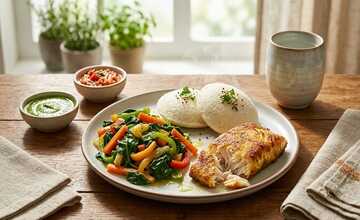
As the awareness of healthy eating continues to grow, nutrition experts are urging a shift away from deep-fried snacks, which, while initially satisfying, are not recommended for regular consumption. The for Indians 2024, emphasizing healthier cooking methods that preserve nutrients while reducing excessive fat. Their recommendations focus on maintaining flavor without compromising health, encouraging individuals to adopt cooking techniques that enhance the nutritional value of everyday meals.
Frequent deep frying not only increases the calorie content of foods but can also produce harmful compounds, especially when cooking oil is reused multiple times. In response, the ICMR advocates for cooking methods that utilize less oil while ensuring that the natural nutrients, flavors, and textures of foods are retained. These techniques are easily integrated into traditional Indian cooking, making it simpler for individuals to prepare healthier meals without sacrificing taste.
One of the recommended methods is steaming, which uses hot water vapor to cook food without direct contact with water or oil. This technique is particularly effective in preserving water-soluble vitamins such as vitamin C and B vitamins, as nutrients are less likely to leach into cooking water. Steamed vegetables maintain their vibrant colors and crispness, while dishes like idlis, momos, and fish require minimal added fat, making steaming an ideal choice for those seeking lighter meals.
Sautéing is another beneficial technique, requiring only a small amount of oil cooked over medium heat. This method allows vegetables to retain their flavor and texture while minimizing fat absorption. It is particularly effective for cooking beans, mushrooms, leafy greens, and mixed vegetables. The ICMR advises against overheating oil, as this can diminish its nutritional value, and emphasizes that proper sautéing can enhance flavor without making meals greasy.
Grilling, boiling, and baking are additional methods highlighted by the ICMR. Grilling allows excess fat to drip away, making it suitable for fish, chicken, and vegetables, while boiling softens food and enhances digestibility, though it may lead to some nutrient loss. To mitigate this, using minimal water and reusing cooking liquid is recommended. Baking, which employs dry heat and requires less oil than deep frying, is also a healthier option for a variety of foods. By adopting these cooking methods, individuals can enjoy flavorful meals that are also nutritious.