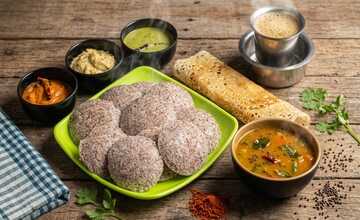
In India, breakfast is often a casual affair, characterized by a sense of urgency and familiarity. The morning meal typically involves a flurry of requests—someone might ask for idli with extra sambar, another for a dosa to-go, while someone else simply craves a moment of peace with a strong cup of filter coffee. This everyday nature of breakfast means it rarely seeks the spotlight, yet it remains a vital part of the food landscape. According to estimates from Kearney and Swiggy, India's food services market could reach approximately ₹11.9 lakh crore by 2030, with the quick-service restaurant (QSR) sector projected to hit around ₹2.89 lakh crore by 2026. Amidst this growth, the question persists: what will people choose to eat again tomorrow morning?
For many Indians, the answer lies in the comfort of traditional foods. Sri Harsha, Founder of Madhuram Tiffins, emphasizes that not every morning calls for culinary innovation; sometimes, familiarity is key. Traditional breakfast items such as idli, dosa, upma, and paratha evoke nostalgia, having been staples in homes, hostels, and local eateries. These dishes do not require elaborate marketing; their inherent familiarity makes them an easy choice for many. A plate of idli or a crispy dosa is instantly recognizable and comforting, providing a sense of stability in the morning rush.
Moreover, there is a growing awareness among consumers regarding the practicality of their breakfast choices. Many are now considering how their meals will affect their energy levels throughout the day. Traditional breakfasts, often light yet satisfying, fit this need perfectly. Idli is steamed, dosa is freshly made, and upma, when prepared correctly, is both warm and filling. While the healthiness of any food can be compromised by poor preparation, when these traditional dishes are made with care, they provide the energy needed to start the day without the heaviness that can lead to sluggishness.
The fast-paced nature of Indian mornings leaves little room for leisurely meals, making speed a crucial factor in breakfast choices. However, quick options do not have to sacrifice quality. Tiffin foods, such as idlis and dosas, can be served swiftly, making them ideal for busy individuals. These meals can be enjoyed at home, in the office, or even on the go, reinforcing their appeal. Unlike occasional indulgences like burgers, breakfast foods must consistently earn their place in daily routines, which is why they remain popular.
As people migrate for education and work, regional foods are increasingly becoming part of urban diets. A North Indian moving to Bengaluru may initially opt for dosa out of convenience, but over time, it becomes a staple. This gradual integration of regional cuisines highlights how food preferences evolve through everyday choices rather than grand announcements. However, for traditional breakfast items to maintain their appeal, consistency is essential. Customers expect the same quality and taste with each visit, making hygiene and preparation standards critical. This commitment to quality may explain the resurgence of traditional breakfasts, as they offer reliability and comfort in a fast-paced world.