From Langra to Bombay: The Renowned Mango Varieties of India and Their Origins

As the mango season reaches its peak, India boasts over 1,500 distinct varieties, renowned for their exceptional shapes, flavors, and intriguing names. Discover the captivating tales behind some of the country's most celebrated mangoes.


Updated: Jun 18, 2026 | 22:51 IST
User

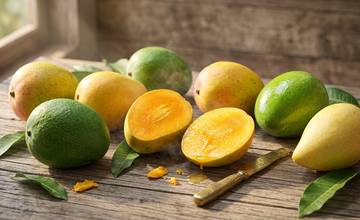
The mango season is currently in full swing across India, a country renowned for its rich diversity of over 1,500 . This fruit is not only celebrated for its unique shapes and flavors but also for the intriguing stories behind its many names. As the season progresses, several of India's most famous mangoes are capturing the attention of enthusiasts, each with a fascinating tale that reflects its heritage and origin.

One of the most distinctive varieties is the Langra mango, which translates to "limping" in Hindi. According to popular lore, this variety originated in Varanasi, where a farmer with a limp cultivated a particularly delicious mango tree. Over time, the fruit became known as "," and it has since become one of the most cherished mango varieties in North India, celebrated for its unique taste and texture.

In contrast, the derives its name from the village of Dasheri near Lucknow in Uttar Pradesh. Historians believe that a mother tree in this village was the source of numerous grafts, leading to the widespread cultivation of this variety across the country. The mango retained the name of its birthplace, symbolizing its deep-rooted connection to the region.

Another notable variety is the Kesar mango, which translates to "saffron" due to its deep orange pulp that resembles the color of saffron strands. Native to the Gir region of Gujarat, the Kesar is celebrated for its vibrant hue, sweetness, and aromatic flavor, making it a favorite among mango lovers. Meanwhile, the Himsagar mango, popular in West Bengal and eastern India, is believed to have earned its name, meaning "Ocean of coolness," to reflect its juicy texture and refreshing sweetness.

Lastly, the is thought to have historical significance, named after the town of Chausa in present-day Bihar. Legend has it that Mughal ruler Humayun, after being defeated by Sher Shah Suri in the Battle of Chausa, became so fond of the local mangoes that he named the variety after the town. Interestingly, the Bombay Green mango, despite its name, has no ties to Mumbai and is primarily grown in Northern India. Its name likely emerged during colonial trading times when produce was marketed through major commercial centers. Another unique variety, the Totapuri, gets its name from its parrot-like shape, with "Tota" meaning parrot in Hindi, and is cultivated mainly in southern India, known for its mildly tangy flavor.

mango varieties

Langra Aam

Dasheri mango

Gir saffron mango

Chausa mango

Disclaimer:
“The recipes, food, its nutritional value or any other information are developed/shared by expert professionals as per their skill levels. The website shall not be responsible for any consequences arising as a result of using or following any information given in this video/article. Viewers discretion advised.”
Top Comments