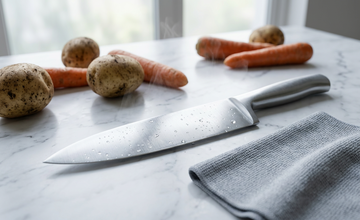
Knives are essential tools in kitchens worldwide, utilized for a variety of tasks such as chopping, slicing, and mincing. However, their frequent exposure to water and other liquids raises concerns about potential injuries and contamination. Kitchen accidents, including minor cuts, are common, and many individuals tend to dismiss these injuries after applying a bandage. Yet, understanding the risks associated with kitchen knives, particularly regarding tetanus, is crucial for maintaining safety in the kitchen.
A report from the University of Virginia highlights that while a clean knife is generally safer, it can still pose a risk of tetanus under certain conditions. The report emphasizes the importance of understanding the microbiology of bacteria, particularly , which is responsible for tetanus. The World Health Organization (WHO) defines tetanus as an acute infectious disease caused by spores of this bacterium, which are prevalent in the environment, especially in soil and on rusty surfaces.
According to WHO, Clostridium tetani spores are resilient and can easily enter the kitchen through unwashed produce or contaminated surfaces. Even a seemingly clean stainless steel knife can increase the risk of tetanus if it comes into contact with dirt or unwashed items. Minor injuries, often overlooked, can create an anaerobic environment conducive to bacterial growth, making it essential to treat even superficial cuts with care.
The Food Safety and Standards Authority of India (FSSAI) has established guidelines to ensure food safety, mandating that all food-contact surfaces, including knives, be made from non-toxic, corrosion-resistant materials. The FSSAI has raised concerns about food businesses using unsuitable cutting tools, which can lead to contamination and violate sanitary regulations. Rusted or damaged knives not only pose a risk to food safety but also to consumer health.
To mitigate these risks, experts recommend a thorough three-step disinfection process for kitchen knives. This includes washing the knife with warm, soapy water immediately after use, sanitizing it with an EPA-approved solution, and ensuring it is completely dry before storage. Proper care and maintenance of kitchen knives are vital to prevent contamination and ensure a safe cooking environment.