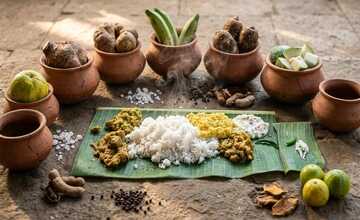
The highly anticipated of 2026 is set to begin in July, drawing millions of pilgrims to the historic coastal city of Puri in Odisha. This grand event will see devotees from around the world gather along the Bada Danda, or Grand Road, to pull the elaborately decorated chariots of Lord Jagannath, Lord Balabhadra, and Goddess Subhadra. The atmosphere will be charged with spiritual fervor, featuring rhythmic Vedic chants and the sounds of traditional percussion instruments, creating a vibrant tapestry of devotion. However, beneath the visual splendor lies a profound aspect of this ancient pilgrimage centered around the temple's sacred food, known as Mahaprasad, which is prepared daily to nourish tens of thousands of pilgrims without interruption.
Intriguingly, the ingredients used in this revered temple cuisine starkly contrast with those commonly found in modern Indian kitchens. The temple's strict regulations prohibit the use of staples such as potatoes, tomatoes, and green chillies, which raises questions about the historical and cultural significance of these exclusions. To understand this culinary tradition, one must delve into the complex history of Indian temple cuisine and the metaphysical concepts of spiritual purity that govern it. The absence of these widely used vegetables highlights a fascinating commitment to preserving ancient culinary practices amidst changing global trends.
The Jagannath Temple's kitchen, known as the Rosaghara, is recognized as the largest functioning kitchen in the world. It features around 250 clay hearths and employs hundreds of hereditary cooks from the Suara and Mahasuara lineages. Each day, these skilled cooks prepare 56 varieties of food and sweets as offerings to the deities, adhering to ancient steam cooking methods. Local legends suggest that Goddess Mahalakshmi oversees the cooking process, ensuring that any mistakes result in the entire batch being discarded, thus maintaining the highest standards of purity.
The concept of purity extends beyond mere cleanliness; it encompasses the historical and geographical origins of each ingredient. The temple strictly categorizes vegetables based on their native status to the Indian subcontinent, barring any that were introduced by foreign traders. This practice preserves the integrity of , which was established long before the arrival of crops like potatoes and tomatoes during the Columbian Exchange in the 16th century. The temple's culinary guidelines reflect a commitment to maintaining a connection with India's rich agricultural heritage.
As the Rath Yatra approaches, the temple kitchen prepares to scale up its operations to accommodate the influx of devotees. The exclusion of modern vegetables may seem outdated to some, but it serves as a powerful act of cultural preservation. By maintaining these culinary traditions, the guardians of the Sri Mandir ensure that future generations can experience the authentic flavors and practices of their ancestors, providing a living testament to India's rich heritage in the face of globalization.